Old Clothes, New Market
Why secondhand fashion is becoming the new standard for value, sustainability, and self expression.
Old Clothes, New Market
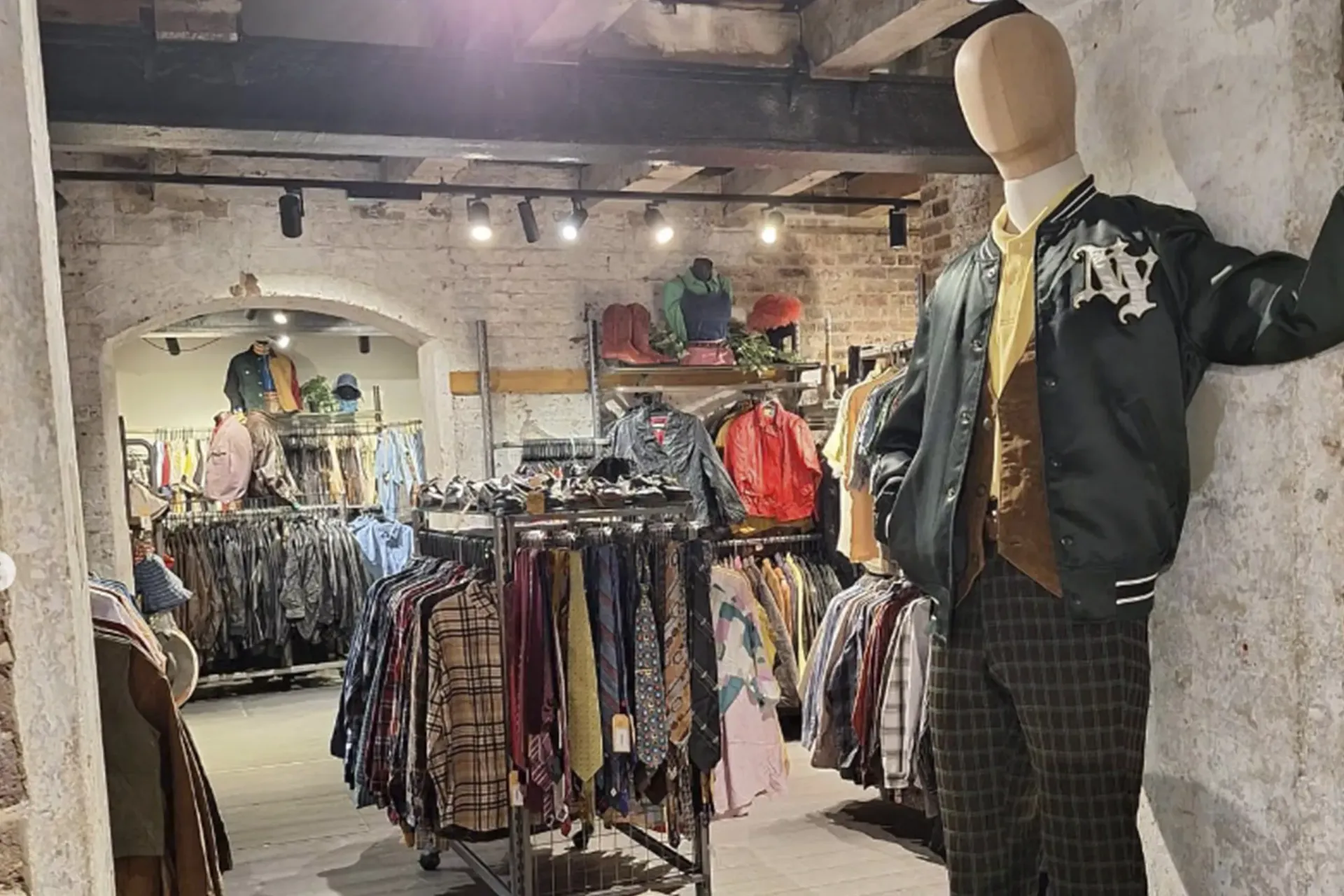
Shopping in the secondhand market has gone from a niche behavior to a mainstream habit, especially among younger consumers. What used to be seen as outdated or inferior is now viewed as smart, stylish, and even aspirational. Today, buying pre owned clothing is no longer a compromise. It is a choice.
Platforms like Depop, Poshmark, Grailed, and eBay have completely changed the way people think about fashion. These platforms have turned resale into a trend, where vintage and secondhand pieces are often seen as more unique and valuable than buying something brand new.
A Shift in Consumer Priorities
This rise in secondhand shopping reflects a bigger shift in how consumers think. Affordability has become a major driver of behavior, especially for younger generations. In recent years, the resale market has grown significantly faster than traditional retail, signaling that this is not just a short term trend but a real change in the marketplace.
Consumers are becoming more intentional with their spending. Instead of buying more, they are trying to buy smarter.
Why the Resale Market Is Growing
There are several key reasons behind this shift.
First, secondhand clothing is typically more affordable, allowing consumers to stretch their money further while still accessing quality products.
Second, sustainability is playing a major role. As awareness around the environmental impact of fast fashion continues to grow, more people are turning to secondhand options as a way to reduce waste and make more responsible choices.
Third, individuality matters more than ever. Consumers today want to stand out, and secondhand shopping gives them access to rare and unique pieces that cannot be found in traditional retail stores.
Finally, social media has amplified everything. Influencers regularly showcase thrift finds, vintage outfits, and resale hauls, making secondhand fashion not only acceptable but desirable. What was once overlooked is now something people proudly share.
The Bigger Picture
The growth of the secondhand market is not just about saving money or finding cool clothes. It reflects a deeper shift in values. Consumers are becoming more aware, more selective, and more focused on meaning behind their purchases.
This is not just a trend. It is a new way of thinking about consumption, and it is likely here to stay.