Name, Image & Likeness: How College Athletes Build Their Brands
How NIL is turning college athletes into powerful personal brands and influential marketing partners.
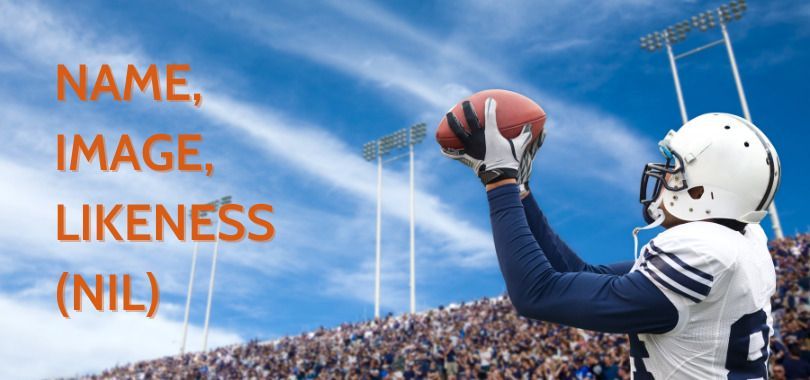
College athletes are no longer building their reputations only on the field or court.
Today, their names, personalities, social media accounts, and personal brands can have real financial value.
Name, Image & Likeness, better known as NIL, has changed college sports by creating new opportunities for athletes to earn money from their personal brands while still attending school. Since NIL opportunities expanded in college athletics, athletes have partnered with major companies such as Gatorade, Powerade, and Nike.
From Athlete to Brand Ambassador
For companies, the appeal is easy to understand.
College athletes can have incredibly loyal audiences. Fans follow their performances, personalities, lifestyles, and increasingly, their social media accounts.
That creates an opportunity for brands.
Companies can partner with recognizable athletes who promote products through social media, advertisements, campaigns, and commercials. Instead of simply paying for traditional advertising, brands can associate their products with athletes consumers already know and follow.
The Influence of a Star Athlete
Cameron points to college football quarterback Carson Beck as an example of how athletes and major brands can work together.
Beyond his presence in college football, Beck participated in Gatorade's “It Takes More” campaign. Partnerships like this give brands access not only to existing sports fans but also to younger athletes who look up to successful college players.
Caitlin Clark provides another powerful example.
Her record setting college basketball career made her one of the most recognizable athletes in women's sports, creating a valuable opportunity for a company like Gatorade to associate itself with an athlete who already had tremendous visibility and influence.
It Goes Beyond Individual Athletes
Sports marketing also extends to the universities themselves.
Nike's relationship with the University of Oregon demonstrates how branding can become part of the identity of an entire athletic program. Unique uniforms and designs attract attention during games, but they can also create consumer demand when fans want to purchase the same merchandise.
In that sense, the uniform is more than something athletes wear.
It becomes a product and a marketing opportunity.
Building a Brand Before Going Pro
Perhaps the biggest change created by NIL is that athletes no longer have to wait until they become professionals to begin thinking about themselves as brands.
A successful college athlete can build an audience, develop partnerships, promote products, and create significant earning opportunities before ever entering a professional league.
Some NIL deals have reached millions of dollars, demonstrating just how valuable an athlete's influence can become.
The Bigger Picture
NIL represents more than athletes getting paid.
It demonstrates how much the relationship between sports, marketing, social media, and consumer influence has changed.
For companies, college athletes provide access to passionate audiences. For athletes, those partnerships provide something that can last beyond a playing career: a recognizable personal brand.
In today's sports marketplace, performance may get people's attention.
But learning how to build a brand can turn that attention into opportunity.