The New Era of Fitness: How WHOOP Is Redefining Consumer Behavior
Why consumers are moving beyond basic fitness tracking toward personalized, data driven wellness.
For years, wearable fitness technology focused on relatively simple questions.
How many steps did you take? How many calories did you burn? How long did you exercise?
Today, consumers increasingly want something more.
They want to understand how their bodies are actually responding to their lifestyles.
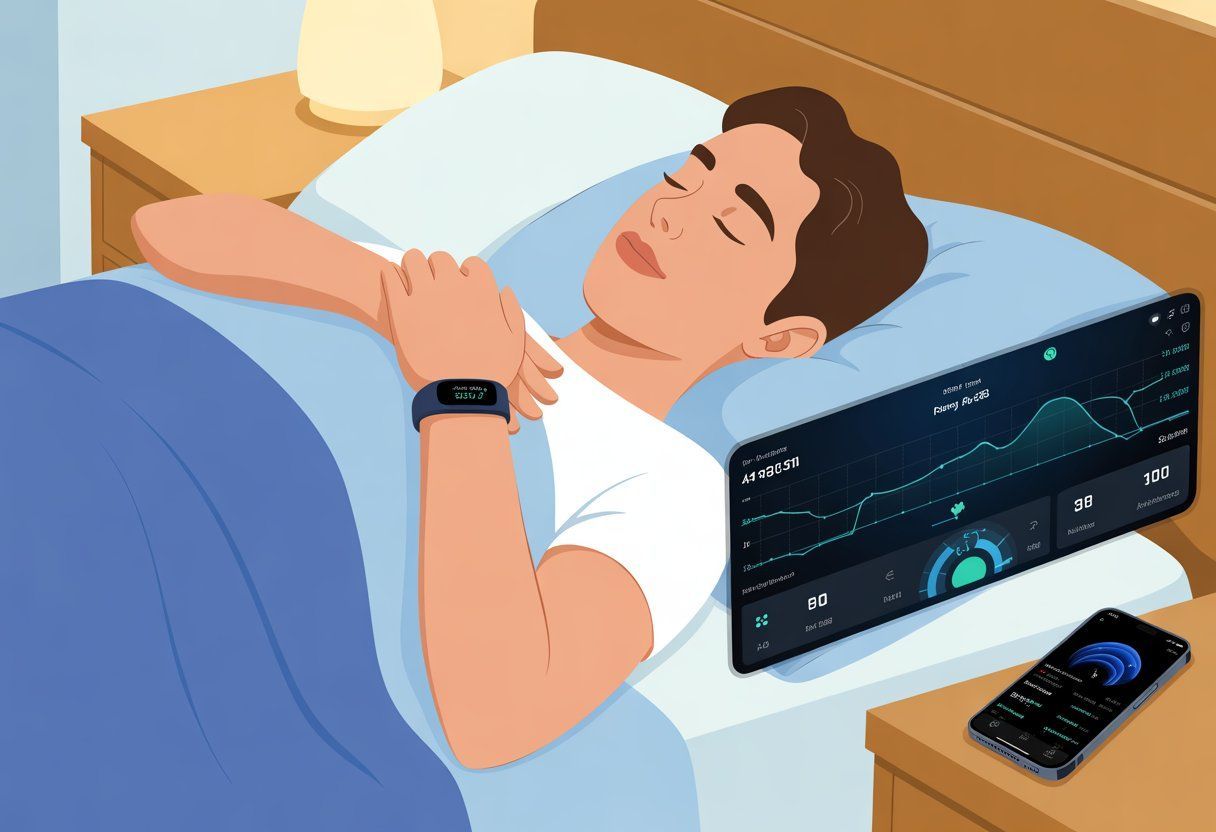
That shift from basic tracking toward total optimization is exactly where WHOOP enters the picture. Rather than focusing primarily on steps or calories, WHOOP tracks areas such as strain, recovery, and sleep to provide users with personalized information about how their bodies are performing. Lombardi, Sophia–WHOOP,S26
Consumers Want Insight, Not Just Information
Having access to data is one thing.
Knowing what to do with it is another.
Sophia argues that consumers are becoming both more health conscious and more data driven. WHOOP tracks information such as heart rate variability and sleep cycles, giving users another way to understand how their everyday habits may be affecting their bodies. Lombardi, Sophia–WHOOP,S26
Instead of simply seeing a number on a screen, consumers increasingly want technology to help them interpret that number.
That represents an important change in consumer expectations.
We do not just want technology to measure us. We want it to help us make decisions.
Fitness Is Becoming Personal
This shift also reflects a broader change in how consumers define health.
Exercise still matters, but it is no longer the entire conversation.
Sleep matters.
Stress matters.
Recovery matters.
And consumers increasingly expect their health technology to recognize those differences and provide information tailored to the individual. Sophia identifies personalization, lifestyle focused wellness, and proactive health as three important behavioral shifts behind products such as WHOOP. Lombardi, Sophia–WHOOP,S26
More Than a Fitness Tracker
WHOOP also takes a different approach to the relationship between the consumer and the product.
Its subscription model emphasizes continuous use and improvement. Rather than functioning only as a device that records activity, Sophia describes WHOOP as operating more like a personal coach.
Users ranging from athletes to college students may use the information to improve sleep, manage stress, and optimize performance. Lombardi, Sophia–WHOOP,S26
That distinction is important.
Consumers are not simply purchasing a piece of wearable technology. They are buying continued access to information about themselves.
The Bigger Consumer Shift
WHOOP represents a much larger trend in the wellness marketplace.
Consumers increasingly want personalized information in real time. They want to understand why they feel tired, when they should push harder, when they should recover, and how everyday behaviors may affect their performance.
Sophia sees this movement toward data driven, personalized wellness as something that is reshaping both consumer behavior and the meaning of fitness itself. Lombardi, Sophia–WHOOP,S26
The future of fitness may therefore be less about simply asking:
“How much did I do today?”
And more about asking:
“What is my body telling me to do next?”