Trash to Treasure: The Rise of Thrift Culture
How affordability, sustainability, and creativity are giving secondhand shopping a new life.
Trash to Treasure: The Rise of Thrift Culture
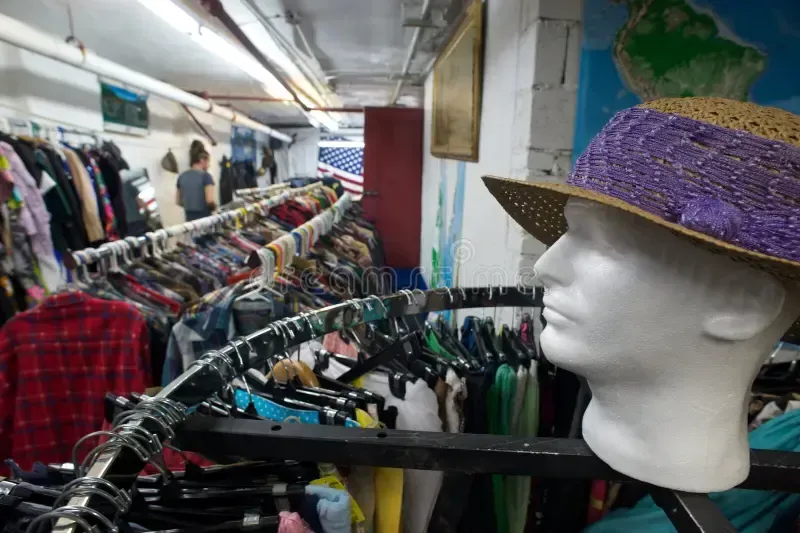
Thrift shopping may feel like one of today’s biggest consumer trends, but the idea itself is anything but new.
Thrift stores have existed for more than a century. Organizations such as the Salvation Army and Goodwill played important roles in developing the model, combining donated goods with charitable missions and employment opportunities. Amalfitano^J Gianna-Thrift Cult…
What has changed is how consumers think about secondhand shopping.
Today, thrifting is not simply about finding something inexpensive. It can represent creativity, sustainability, individuality, and a completely different way of thinking about consumption.
Why Thrifting Makes Sense for Consumers
One of the biggest attractions of thrift shopping is simple: affordability.
Secondhand stores give consumers access to clothing, accessories, furniture, and household items at prices that can be considerably lower than purchasing something new.
That lower cost can also encourage experimentation. Gianna points out that inexpensive secondhand clothing allows consumers to try different styles, products, or upcycling ideas without making a major financial commitment. Amalfitano^J Gianna-Thrift Cult…
But saving money is only part of the appeal.
Turning Something Old Into Something New
Upcycling has become another important part of thrift culture.
Instead of throwing away an older item, consumers can transform it into something new. A piece of clothing can be redesigned. Furniture can be refinished. An item someone no longer wants can become exactly what another person was searching for.
Thrift stores are particularly suited to this behavior because their inventory is constantly changing.
You never know exactly what you are going to find.
That unpredictability turns shopping into something closer to a treasure hunt and gives consumers opportunities to create something unique rather than simply buying what everyone else already has. Amalfitano^J Gianna-Thrift Cult…
Shopping With an Environmental Benefit
Thrifting also encourages consumers to rethink waste.
Every secondhand item that continues being used is one less product immediately entering the waste stream and one less replacement that necessarily needs to be purchased new.
Gianna connects upcycling and secondhand consumption with reducing material waste and conserving resources such as water and energy. Amalfitano^J Gianna-Thrift Cult…
That makes thrift shopping interesting because consumers can receive two benefits from the same purchase:
Spend less and reuse more.
More Than a Store
There can also be a community component.
Some thrift organizations use proceeds to support charities and local initiatives, while the traditional thrift model has also created employment opportunities through collecting, repairing, organizing, and selling donated products. Amalfitano^J Gianna-Thrift Cult…
Gianna ultimately argues that thrift stores can benefit people in several ways, whether they are purchasing clothing, furniture, accessories, and household products or finding employment connected to repairing and selling those goods. Amalfitano^J Gianna-Thrift Cult…
The Bigger Consumer Shift
The rise of thrift culture reflects a broader change in what consumers value.
New does not automatically mean better.
For some shoppers, finding something affordable, unique, reusable, and environmentally responsible may actually make a secondhand purchase feel more valuable than buying the newest item in a traditional store.
What one consumer considers unwanted may be exactly what another consumer is looking for.
And that is how yesterday’s trash can become today’s treasure.