Upgrade Culture: Why Consumers Always Want the New iPhone
How marketing, status, trade ins, and FOMO turn the newest iPhone into a yearly temptation.
Upgrade Culture: Why Consumers Always Want the New iPhone
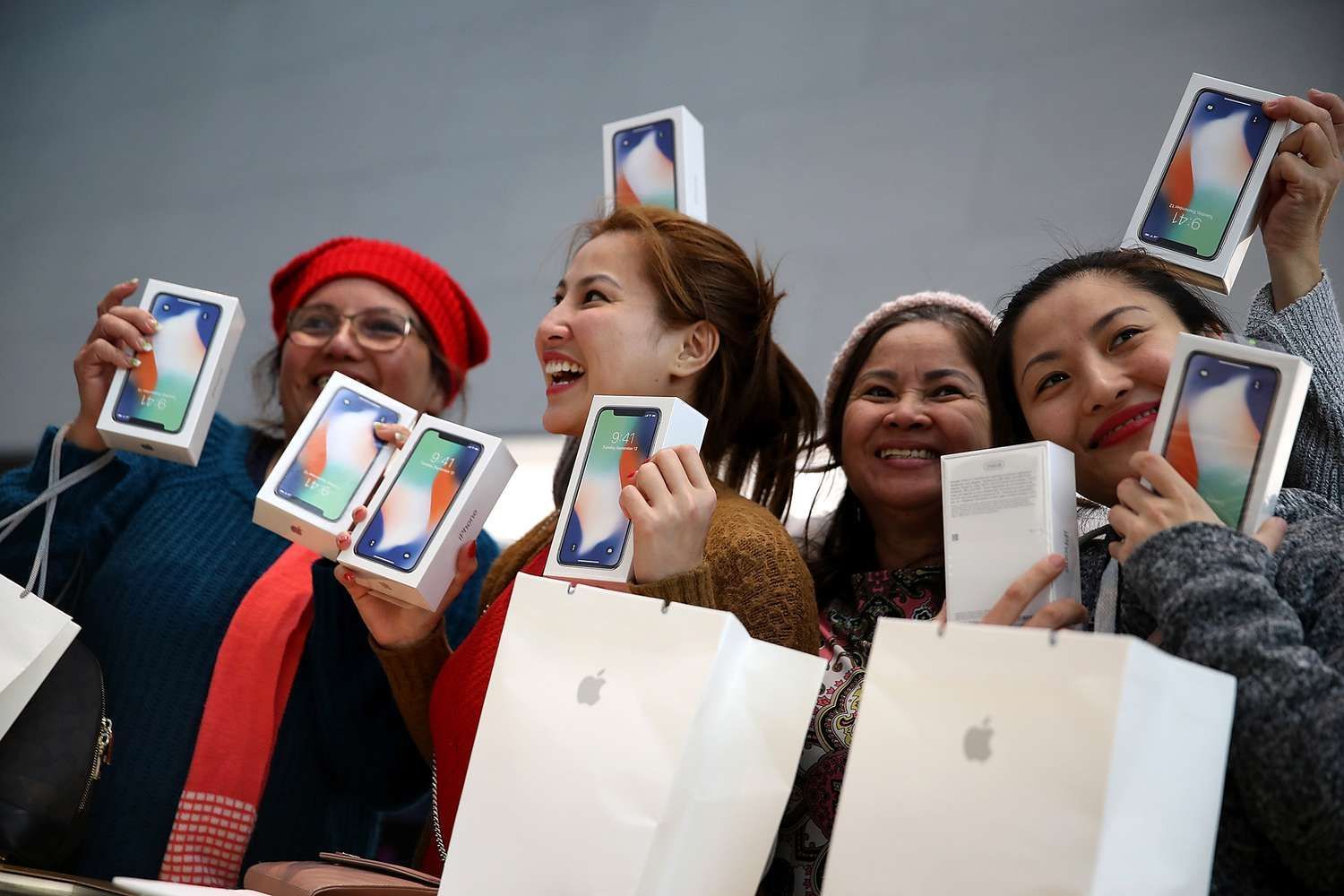
Every year, a familiar cycle begins.
Apple announces a new iPhone. The launch event generates attention. New advertisements appear everywhere. Social media starts discussing the latest features, and suddenly a phone that worked perfectly well yesterday can begin to feel outdated.
Welcome to upgrade culture.
Drew describes upgrade culture as the consumer mindset that having the latest and greatest product feels like a necessity. And few products demonstrate that behavior better than the iPhone. Palmer,Drew-ConsumerTrends2026
Apple Is Selling More Than a Phone
Apple does not simply introduce new technology. It creates an event around it.
Major launches, polished advertising, and carefully presented improvements build anticipation around each new generation. Even when the changes from one year to the next are relatively small, the marketing can make those improvements feel significant enough to justify buying again. Palmer,Drew-ConsumerTrends2026
That anticipation changes the consumer conversation.
The question is no longer simply, “Do I need a new phone?”
It becomes, “Am I missing out by keeping my old one?”
The iPhone as a Status Symbol
Technology can also communicate something about the person using it.
For some consumers, owning the newest iPhone can signal that they are current with technology, financially successful, or simply ahead of the trend. Drew identifies this social signaling as another reason consumers may feel motivated to upgrade. Palmer,Drew-ConsumerTrends2026
That means the purchase is not always driven entirely by functionality.
Consumers may be buying what the newest phone represents just as much as what it actually does.
Making the Upgrade Feel Easier
Price should theoretically slow consumers down, especially with expensive technology.
Trade-in programs can change that calculation.
Drew notes that trade-in credits from retailers and service providers can substantially reduce the apparent cost of a new device. Instead of treating a smartphone as a major purchase made every several years, consumers may begin viewing upgrading as part of a regular cycle. Palmer,Drew-ConsumerTrends2026
And once something becomes a habit, the decision becomes easier to repeat.
The Power of FOMO
Then there is one of the strongest forces in modern consumer behavior: fear of missing out.
New features can create the feeling that people who keep older technology are falling behind while friends with newer devices receive a better experience.
Drew argues that consumers often do not want to feel behind when it comes to the latest technology. Palmer,Drew-ConsumerTrends2026
That feeling can be powerful even when the device someone already owns still meets their needs.
Do We Really Need the Upgrade?
Upgrade culture is not necessarily good or bad.
New technology can offer meaningful improvements, and consumers may genuinely value having access to the newest features.
But Drew raises an important question: if the differences between generations are sometimes relatively small, does upgrading every year actually make sense? Palmer,Drew-ConsumerTrends2026
Perhaps the most interesting thing about the newest iPhone is not what Apple changes inside the phone.
It is what happens inside the consumer’s mind.
Yesterday your phone was perfectly fine. Today there is a newer one. Suddenly, keeping what you already have can feel like missing out.