How Short Form Video Is Changing Marketing
Why TikTok and Instagram Reels are redefining how businesses connect with consumers.
How Short Form Video Is Changing Marketing
Marketing used to be predictable. Brands relied on polished images, carefully written captions, and messages that often felt more like advertisements than real conversations.
Today, that approach is losing its impact.
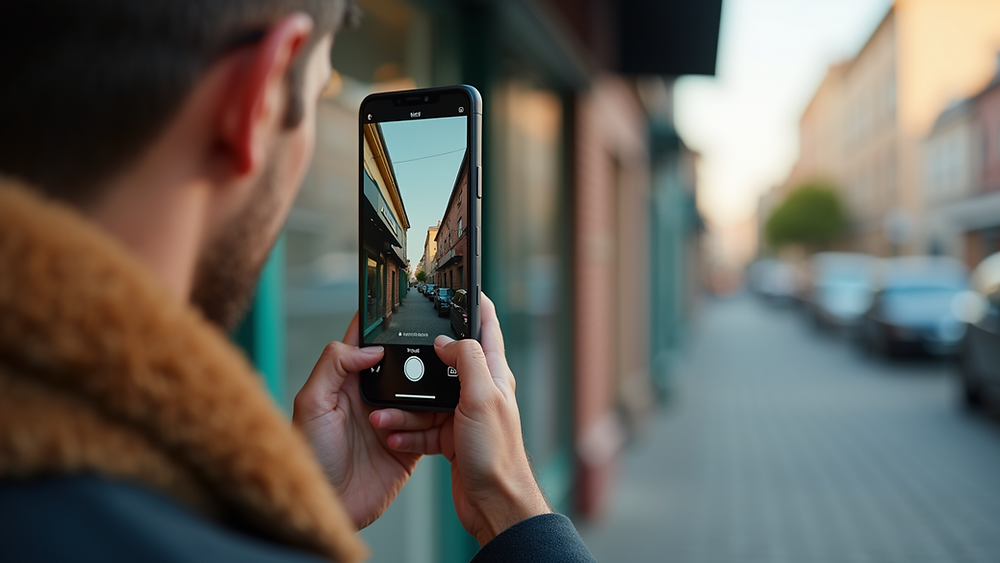
Short form video, especially on platforms like TikTok and Instagram Reels, has completely changed how businesses communicate with consumers. Instead of selling, brands are now showing. Instead of talking at people, they are connecting with them.
Why Short Form Works
Short form videos are effective because they capture attention immediately. In a fast paced digital environment, consumers decide within seconds whether they want to engage with content.
Video allows businesses to show real experiences, real people, and real moments. This makes content feel more authentic and relatable, which is exactly what consumers are looking for today.
Another major advantage is the algorithm. Platforms like TikTok push content to the right audience, even if the creator has a small following. This creates opportunities for small businesses to reach thousands or even millions of people without needing a large marketing budget.
Local Impact, Global Reach
This shift is already visible at the local level. In Pittsburgh, businesses and organizations are using short form video to build awareness and connect with their communities.
Places like Duquesne University, Caliente Pizza, and Little Tony’s Mini Mart are using these platforms to create engaging content that feels personal rather than promotional.
At the same time, the impact goes far beyond local markets. When people travel, social media algorithms begin showing them videos of nearby places to visit, eat, and explore. This creates a powerful connection between digital content and real world behavior.
The Bigger Shift
Short form video is not just another marketing tool. It represents a shift in how consumers want to interact with brands.
People are no longer interested in perfect ads. They want authenticity, speed, and connection. They want to feel something, not just be sold something.
For businesses, this means adapting quickly. Those who understand how to create engaging, real, and consistent video content will have a major advantage.
Those who do not risk being ignored.