From Goodwill to Depop: How Secondhand Fashion Became Cool Again
The rise of resale culture and why thrifting is now a trend, not a fallback
The Shift in Perception
Before Covid, thrifting was often seen as a last resort. Many people associated thrift stores with low budgets rather than personal style.
Places like Goodwill, Plato’s Closet, and Salvation Army were viewed as outdated, cheap, and not trendy. Even shoppers were sometimes judged negatively.
Social Media Changed Everything
The rise of social media completely transformed how people view secondhand fashion.
Platforms like TikTok made thrifting visible, aspirational, and even exciting. Resale clothing started appearing everywhere online, reshaping its image into something stylish and desirable.
Why Secondhand Fashion Is Thriving
Sustainability Matters to Gen Z, Gen Z consumers are highly focused on sustainability. Buying secondhand allows them to reduce waste while still staying fashionable.
Many shoppers now prefer platforms like Depop, where they can find items worn once at a fraction of the price.
According to recent data, a significant portion of Gen Z actively purchases secondhand clothing, even more than the general population.
Style Over Mass Production
Fast fashion focuses on mass production, but today’s consumers value individuality.
Secondhand clothing offers unique pieces that stand out. What was once considered old is now seen as rare and trendy.
Vintage fashion has become a statement of personal style.
Online Platforms Made It Easy
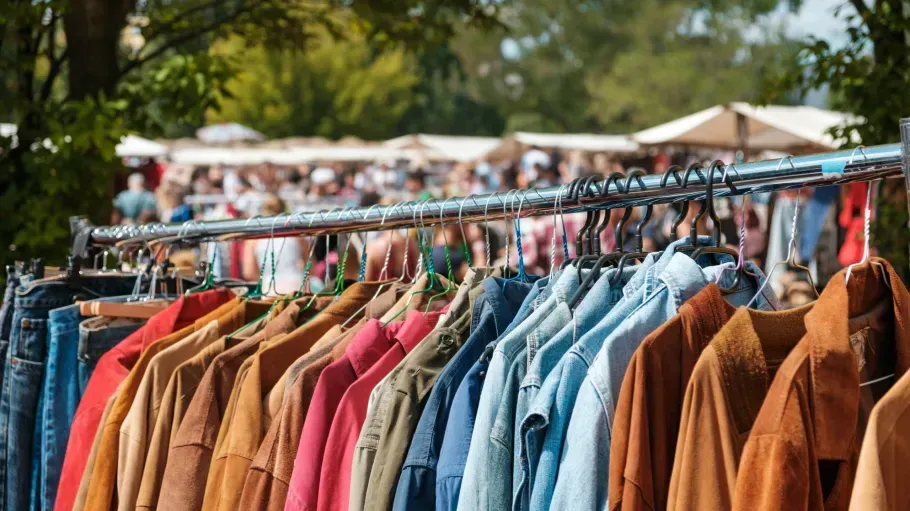
In the past, thrifting meant digging through racks in physical stores.
Now, apps like Depop and Poshmark have turned the experience into something digital, curated, and visually appealing.
Depop combines the feel of social media with online shopping, making it easy to discover stylish, secondhand pieces.
What’s Next for Thrifting?
As resale platforms continue to grow, traditional thrift stores may need to evolve.
One potential shift is the introduction of consignment models, where people can drop off clothing and earn a percentage when items sell.
This approach could make thrifting more accessible and beneficial for everyone involved.
Call to Action
Secondhand fashion is no longer just about saving money. It reflects deeper consumer values around sustainability, identity, and experience.
As consumer behavior continues to shift, how are brands adapting to meet these new expectations?