The Retail Fix: Why College Students are Addicted to Retail Therapy
A psychology-driven look at the irresistible pull of compulsive buying
The Rise of Dopamine Shopping
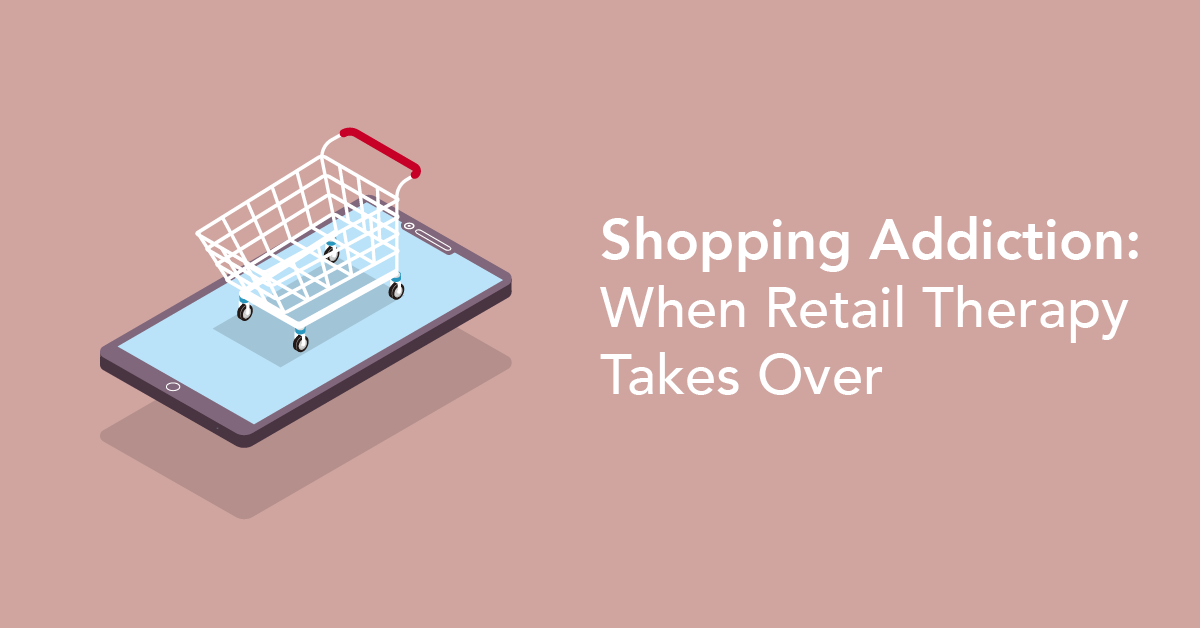
The term “retail therapy” is described as the act of shopping with the goal of improving your mood or avoiding difficult emotions. Retail therapy usually involves buying things you want, not things you need. Some people spend lots of money on jewelry, shoes or electronics. However, little purchases like a candy bar or a magazine from the grocery store checkout line, can also fall under the same category. Let’s Dive into the science behind retail therapy, and if it actually makes you feel better.
The Science Behind It
The following is research findings of the reasons why compulsive shopping elevates mood.
1. Short-term happiness: Studies have shown that consumers often experience a surge of happiness immediately after a purchase.
2. Enhanced emotional regulation: Shopping can help regulate emotions by serving as a distraction from stress or negative feelings. Choosing and buying offers a temporary escape and a way to cope with difficult
emotions for some.
3. Boosting self-esteem: Finding something that aligns with your personal style or interests can enhance self-esteem. This feeling of self-affirmation can improve overall mood and confidence.
4. Achievement: Completing a purchase—whether it's finding the perfect item or getting a good deal—can bring a small sense of accomplishment and satisfaction.
The Connection to College Culture
Retail therapy is especially prevalent in college because students are navigating a lot of emotional distress such as academic stress and the challenge of growing independence. Research shows that many college students use shopping as a way to self-soothe. Low self-esteem has also been linked to more impulsive buying in students. Studies estimate that somewhere between 6–16% of students may show compulsive buying behaviors, which highlights how entrenched retail therapy can be in campus life.
Tips for Healthy Retail Habits
- Find other ways improve mood- try exercising, eating healthy, or picking up a new hobby
- Track your purchases- create a spending budget
-Choose wisely- don’t buy things you don’t need