Why is Thrifting the New Craze?
Why secondhand shopping has evolved from a niche habit into a mainstream consumer movement.
Why Thrifting Is Taking Over
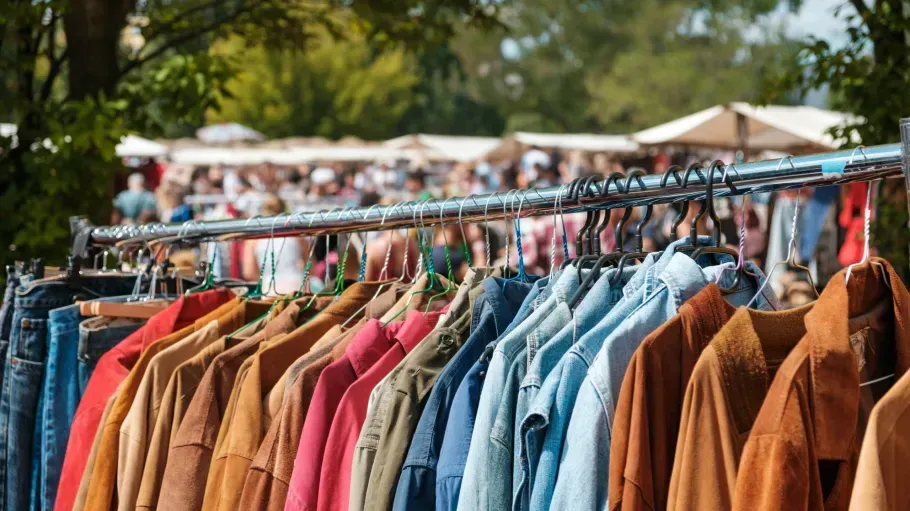
The Carhartt jacket. A vintage band tee from the 90s. Even a worn designer bag. Just a few years ago, these items might have been seen as outdated or undesirable. Today, they represent one of the fastest-growing trends in consumer behavior: thrifting.
Buying secondhand is no longer just about saving money. It has become a cultural shift, influencing how people think about fashion, value, and sustainability. What once felt “used” now feels unique, intentional, and even stylish.
The Impact of COVID on Shopping Behavior
The pandemic played a major role in accelerating the rise of thrifting. As traditional retail stores faced closures and uncertainty, many consumers turned to alternative ways of shopping. Thrift stores became more appealing, offering variety, affordability, and a sense of discovery.
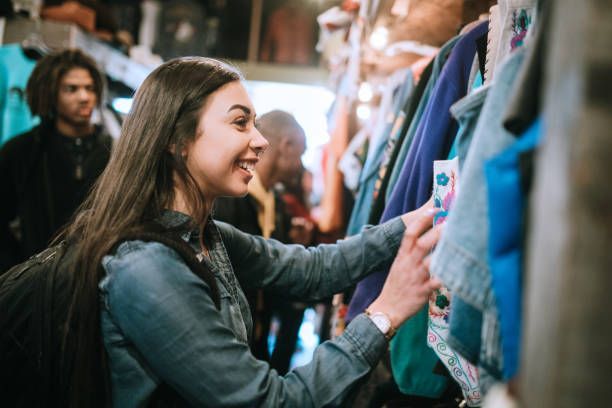
Even after the pandemic, this behavior didn’t go away. Instead, it evolved. Consumers began to enjoy the experience of finding something unexpected; what many call a “score.” This shift reflects a deeper change in mindset: people are no longer just buying products, they are chasing experiences.
Economic Pressures and Smarter Spending
Another key driver behind the thrifting trend is the economy. Rising prices and inflation have forced consumers to rethink how they spend their money. Thrifting offers a simple solution, access to quality items at a fraction of the cost.
In many cases, shoppers can find high-end or designer pieces significantly discounted compared to retail prices. This allows consumers to maintain their personal style without overspending. It’s not just about being cheap, it’s about being smart.
The Shift Away from Fast Fashion
Modern fashion has been dominated by fast trends, heavily influenced by social media. Consumers buy items to fit a moment, only to discard them weeks later. This cycle has created a growing awareness of waste and overconsumption.
Thrifting presents an alternative. Instead of constantly buying new, consumers are rediscovering older pieces that were built to last. Vintage clothing often offers higher quality and durability compared to today’s mass-produced items.
At the same time, wearing secondhand has become a way to stand out. Instead of following trends, people are creating their own style using unique, one of a kind piece.
The Rise of Resale Culture
Thrifting is no longer limited to physical stores. The growth of resale platforms has transformed secondhand shopping into a full-scale marketplace. Apps and online platforms allow consumers to buy and sell items easily, turning fashion into both a hobby and a business opportunity.
This resale culture has made thrifting more accessible than ever. Consumers can now search for specific styles, compare prices, and even build curated collections, all from their phones.
Final Thoughts
Thrifting is more than just a trend, it reflects a shift in how consumers think about value, identity, and sustainability. What started as a practical way to save money has evolved into a powerful movement that blends fashion, economics, and culture.
As consumer behavior continues to change, thrifting is likely to remain a key part of the marketplace, not as an alternative, but as a new standard.